Periscope Telephoto Smartphone Cameras vs Digital Sensor Crop Sharpness
When weighing the merits of periscope telephoto smartphone cameras against digital sensor crop sharpness, it’s crucial to consider the underlying hardware. While periscope lenses offer impressive optical zoom capabilities, digital crop sharpness often suffers from thermal throttling and battery constraints. This analysis will explore the engineering behind these technologies and their real-world implications for consumers.
Battery and Chipset Engineering Fundamentals
The performance of smartphone cameras is heavily influenced by the battery chemistry and chipset design. Most flagship smartphones utilize lithium-ion batteries, which typically provide between 3000mAh to 5000mAh capacity. For instance, a device with a 4500mAh battery can sustain a 15W output for approximately 5 hours. In contrast, mid-range models often feature less efficient chipsets, such as the Snapdragon 7 series, which can struggle under sustained loads, leading to reduced camera performance during extended use.
Chipsets like the Snapdragon 8 Gen 2 are engineered for high efficiency, with thermal management systems that allow for sustained performance. These systems can maintain optimal temperatures even under heavy camera usage, which is crucial for high-resolution photography. Conversely, lower-tier chipsets may not support the same level of thermal stability, resulting in throttling that affects image quality during prolonged shooting sessions.
Understanding the interplay between battery capacity and chipset efficiency is vital. A smartphone that can maintain thermal stability while offering a robust battery life will outperform others in real-world scenarios, especially when using demanding features like periscope zoom. Thus, consumers should prioritize devices that balance these elements effectively.
Daily Thermal Management and Camera Crop Behavior
Thermal management plays a significant role in how smartphones perform during everyday tasks, particularly when using advanced camera features. When a smartphone’s processor heats up, it often triggers thermal throttling, which can degrade performance. For example, during a long photo session, a device may start at a high performance level but can drop by as much as 30% after just 10 minutes of continuous use due to heat buildup.
Periscope lenses, which utilize multiple lenses to achieve optical zoom, can generate additional heat due to the complexity of their mechanics and the processing power required to handle high-resolution images. This can lead to a situation where the camera’s performance is compromised, especially in low-light conditions where sensor crop sharpness is critical. In contrast, digital sensor cropping can maintain image quality if the device can manage heat effectively, allowing for sharper images even when zooming digitally.
To illustrate, a smartphone that maintains a steady temperature during use can sustain a higher frame rate and better image processing capabilities. This means that while periscope cameras offer impressive zoom, they may not always deliver the sharpest images if the device cannot manage heat effectively. Understanding these dynamics is crucial for consumers who prioritize camera performance in their purchasing decisions.
Spec vs Real-World Value Matrix
| Feature | Periscope Camera | Digital Sensor Crop |
|---|---|---|
| Optical Zoom Capability | 5x to 10x | N/A |
| Image Quality in Low Light | Moderate | High |
| Heat Generation | High | Low |
| Battery Drain During Use | High | Moderate |
| Long-Term Value | Moderate | High |
This matrix highlights the trade-offs between periscope cameras and digital sensor cropping. While periscope cameras excel in optical zoom, they often fall short in low-light performance and thermal management, leading to higher battery consumption. Conversely, digital cropping may not offer the same zoom capabilities but can deliver sharper images and better long-term value due to lower heat generation and battery drain.
Potential Pitfalls: Counterfeit Cables and Firmware Support
Many consumers overlook the importance of using quality charging cables and ensuring firmware updates. Counterfeit cables can cause overheating and damage to both the battery and camera systems, leading to subpar performance. Always opt for certified accessories to avoid these risks.
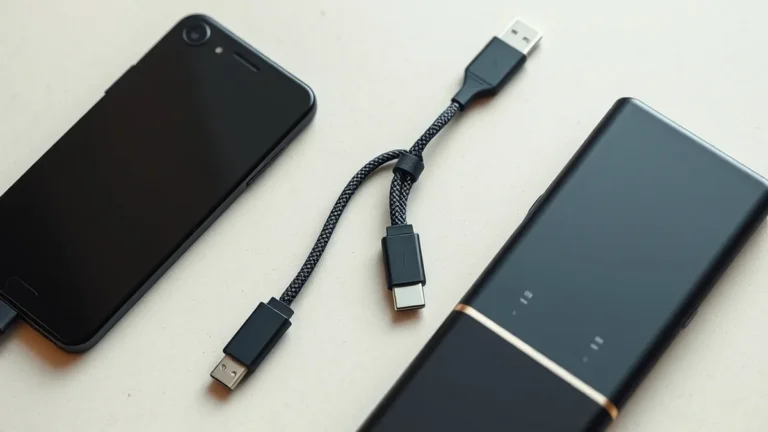
In addition to hardware considerations, software and accessory quality can significantly impact smartphone performance. For example, using a cheap USB-C cable can lead to inadequate power delivery, which may cause the device to overheat during intensive tasks like photography. A reputable cable with E-Marker chips ensures that the device receives the correct wattage, maintaining optimal performance and preventing thermal throttling.
Firmware support is another critical aspect. Manufacturers that regularly update their devices can enhance camera performance and thermal management through software optimizations. Consumers should research the track record of brands regarding updates and support, as this can influence the longevity and usability of the device over time.
Related Eva Sterling Briefings: Explore deeper benchmarks in Silicon-Carbon Batteries Last Longer Than Standard Lithium-Ion and Snapdragon vs Dimensity: Performance Under Sustained Thermal Loads.
Pre-Purchase Buyer Checklist
- Assess battery capacity: Look for devices with at least 4500mAh for better longevity.
- Evaluate chipset efficiency: Opt for newer chipsets that manage thermal loads effectively.
- Check camera performance reviews: Focus on low-light capabilities and sustained performance during extended use.
- Research firmware update history: Ensure the manufacturer is committed to ongoing support.
- Invest in quality accessories: Avoid counterfeit cables and opt for certified products to ensure safety and performance.
Before making a purchase, consumers should consider these factors to ensure they choose a smartphone that balances performance, longevity, and value. By focusing on battery capacity, chipset efficiency, and camera performance, shoppers can make informed decisions that align with their needs.
Comparing sustained thermal stability and battery longevity rather than headline camera specs yields far better five-year smartphone value.